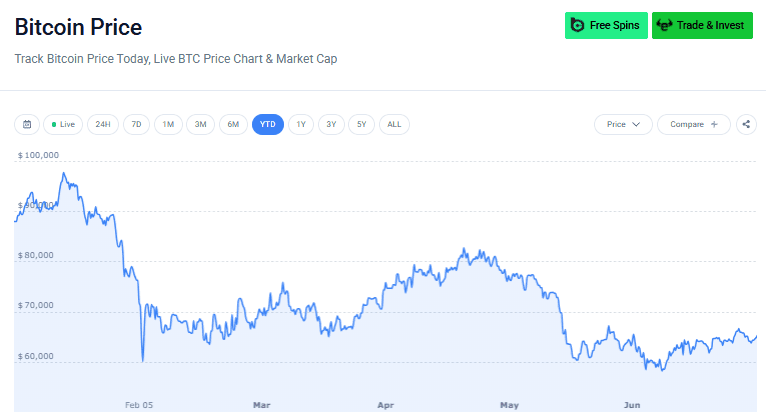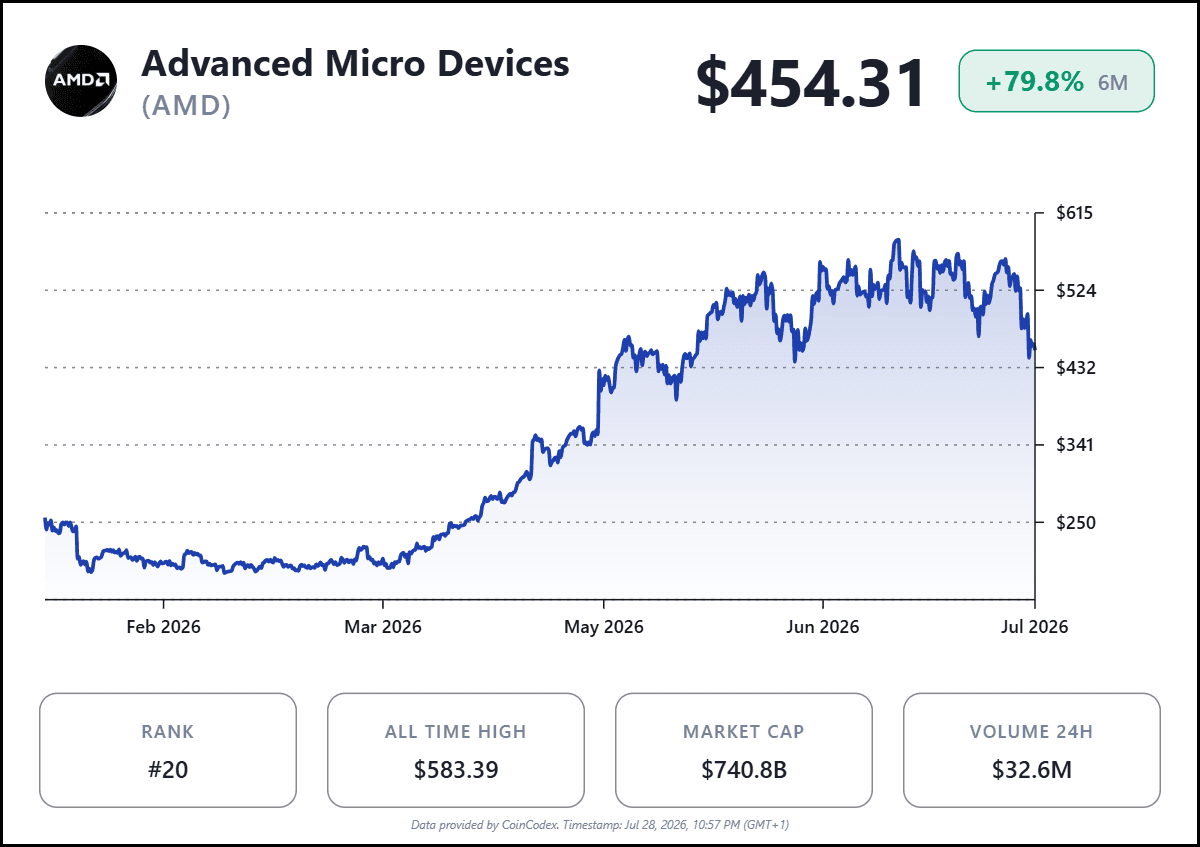


Foreign media reports that Bittensor co-founder Ala Shaabana stated at the Proof of Talk summit in Paris that global computing infrastructure is shifting from enterprise data centers to open networks. He used the Bitcoin network as an example, emphasizing that distributed coordination mechanisms can already surpass traditional centralized computing systems in terms of scale.
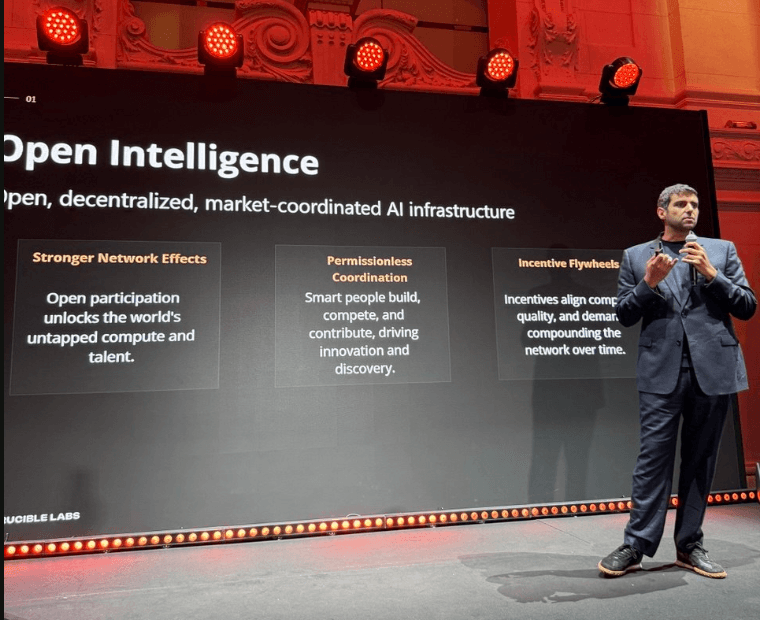
Using Bitcoin to illustrate the scale of distributed computing power
Shaabana stated that the Bitcoin network's hash rate is more than 600,000 times greater than the combined hash rate of the world's top 100 supercomputers. The article uses this to emphasize that open networks are not just part of the financial system, but have also become a way to organize massive computing resources.
He believes that the real inspiration Bitcoin offers is not just the asset itself, but the method of "coordinating and rewarding participants." Through code and incentives, the network can continuously aggregate globally dispersed hardware resources.
Bittensor shifts the incentive model to AI tasks
The article states that Bittensor is a Layer 1 network for AI, and its token TAO's issuance design borrows from Bitcoin, including a total supply cap and a halving mechanism. The difference is that Bittensor no longer rewards traditional mining; instead, it rewards participants who run and validate AI tasks.
Currently, Bittensor divides its network into 128 subnets. Each subnet corresponds to a different task objective, and participants compete for TAO rewards around these objectives. The article argues that this structure allows the network to distribute computing power, model capabilities, and data processing needs across different markets.
- The number of subnets is 128.
- The reward asset is TAO tokens.
- Participants compete for rewards based on task objectives.
The crux of the debate lies in whether AI can break free from the centralized supply of major companies.
Shaabana's core argument is that if Bitcoin has proven that open networks can organize global computing power, then similar methods can be used for AI. He believes that the key to network efficiency is not just the scale of hardware, but what rewards are and how results are verified.
Following this logic, if subnets reward computation speed, participants will optimize for speed; if they reward storage or other capabilities, resources will concentrate in the corresponding areas. The article argues that open networks attempt to replace centralized scheduling within technology companies with market-based incentives.

However, this article primarily presents Shaabana's assessment, rather than independently verified conclusions. Its core argument is that future competition in AI infrastructure will not only occur between chips and data centers, but also between who can more effectively organize globally distributed computing power.