

Foreign media reports indicate that the prediction market is shifting from niche event betting tools to a larger-scale digital financial market. Over the past year, industry trading volume, open interest, and financing activity have all increased simultaneously, with Kalshi and Polymarket remaining the leading platforms, and the market focus clearly shifting towards sports contracts.
Kalshi's growth rate is faster than Polymarket's.
The article states that Kalshi is regulated by the U.S. Commodity Futures Trading Commission (CFTC) and uses a real-name registration and centralized matching model, making it closer to traditional exchanges. Polymarket's international platform, on the other hand, primarily relies on crypto wallets and Polygon's on-chain infrastructure, targeting users outside the United States.
With the launch of Polymarket US, US users have begun participating in this type of market through a compliant version, but its size remains significantly smaller than that of international platforms. The article argues that this "dual-track structure" is impacting liquidity distribution and placing different regulatory pressures on different platforms.
Trading volume and open interest rose in tandem.
The report, citing industry data, stated that in July 2025, Kalshi's monthly trading volume was approximately $740 million, while Polymarket's was approximately $1.28 billion. By mid-2026, overall market activity had significantly increased, with Kalshi's expansion speed being particularly prominent, ultimately surpassing its competitor in trading activity.
- The increase in trading volume reflects an increase in the number of participants and liquidity.
- Increased open interest indicates that funds remain in the market for a longer period of time.
- High financing levels support platform infrastructure expansion.
Open interest is also growing. Unlike trading volume, which simply reflects completed transactions, open interest represents funds remaining in unsettled contracts. The article argues that this indicates market growth is not solely driven by short-term trading; more funds are consistently remaining in forward contracts, suggesting improved market depth.
The proportion of sports contracts has risen to a high level.
The article states that the trading structure of prediction markets is also changing. Taking Kalshi as an example, in mid-2025, sports contracts accounted for approximately 22% of trading activity, while crypto-related contracts accounted for approximately 20%. By 2026, sports contracts had risen to 81% of daily trading volume, while crypto-related contracts dropped to approximately 9%, but remained the second largest category.
This shift indicates that the user base of prediction markets is expanding from the crypto-native community to a broader audience. The high frequency and mass appeal of sports content are becoming a major source of traffic and transaction volume for these platforms.
Institutions raise 2030 size forecast
The article mentions that Bernstein predicts the market's annual trading volume will reach $240 billion by 2026 and believes it has the potential to rise to $1 trillion by 2030. Bank of America also describes Kalshi as one of the fastest-growing non-AI companies in the United States.
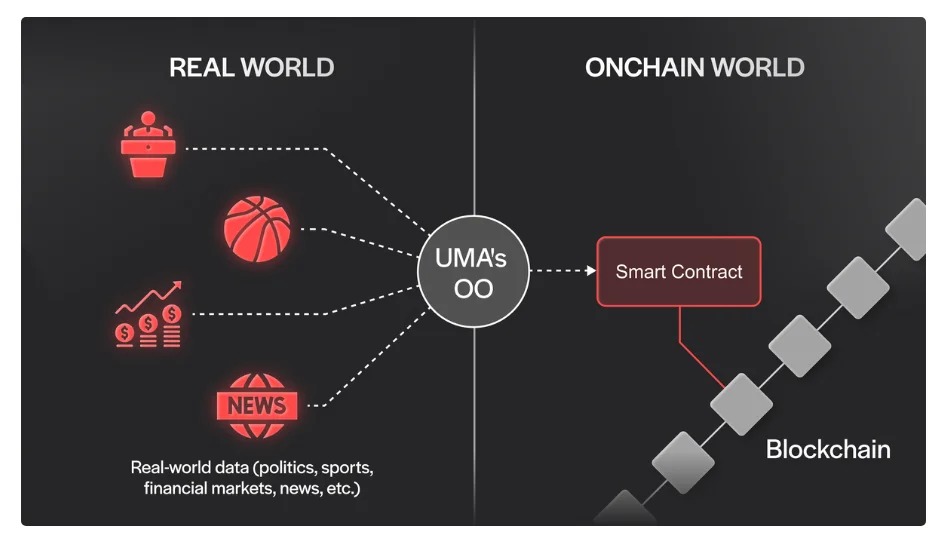
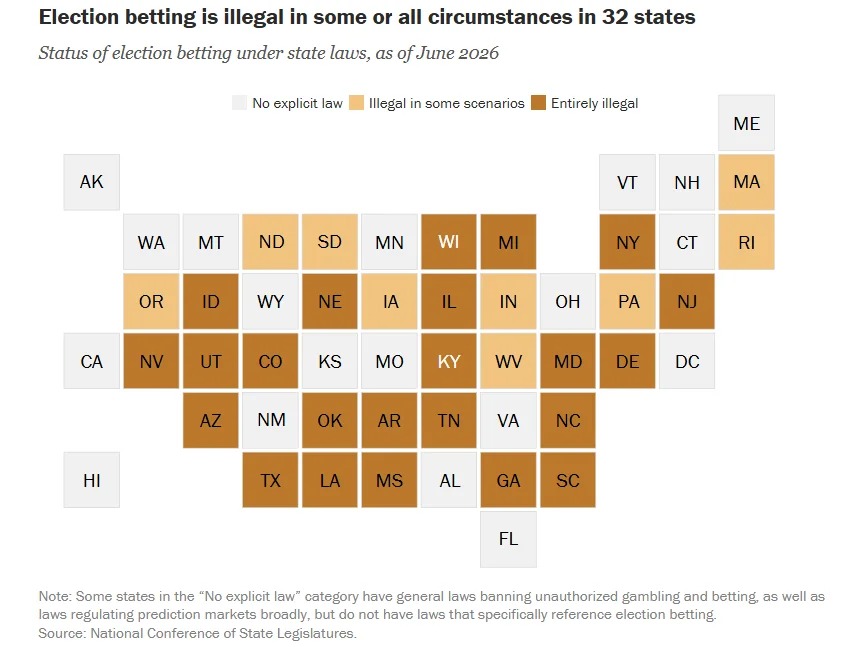
However, as the market expands, regulatory controversies are also intensifying. Federal regulators, state governments, legislators, and betting industry participants are debating market attributes, jurisdiction, sports contracts, and consumer protection. The article argues that whether the prediction market can continue to grow significantly depends largely on whether regulatory pathways and technological expansion can proceed in parallel.