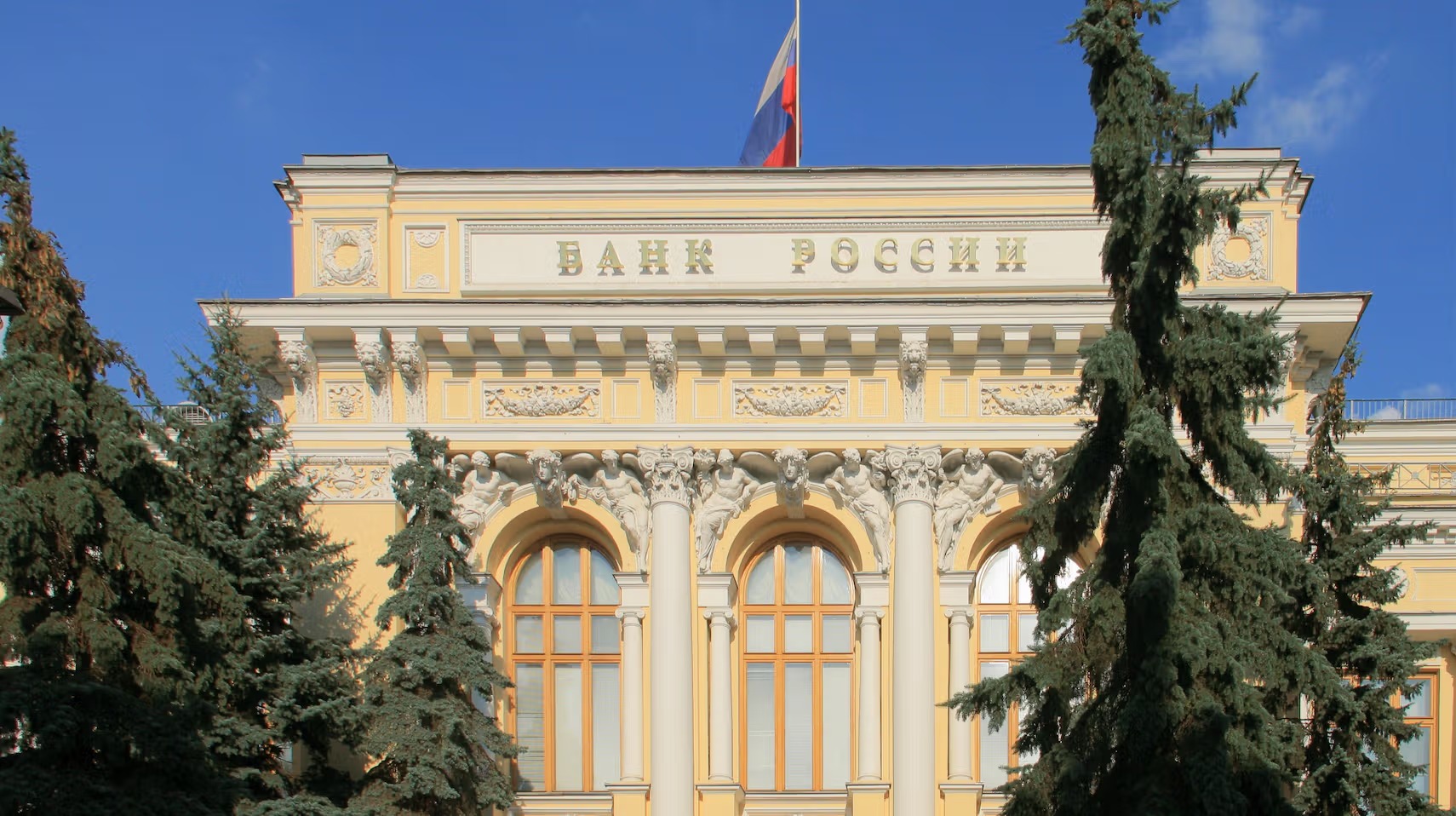


Russia is integrating crypto trading, custody, and settlement into its regulated financial system. Local media, citing sources, reported that Sberbank, Russia's largest bank, plans to complete its crypto trading infrastructure and launch digital custody services by December 1st.
Custody and trading facilities will be developed in tandem.
According to the plan, Sberbank's digital custody system will record customers' crypto assets and handle most of the transaction process. When customers initiate deposits, withdrawals, and transfers, the bank will complete the relevant operations through active wallets.
This means that, in addition to on-chain transfers, more transaction records and asset ownership confirmations will be handled by infrastructure within the banking system. Such custody and clearing capabilities are a core component of the licensed trading framework that Russia is currently developing.
New Russian regulations to take effect in September
This arrangement follows the approval of relevant laws by the Russian Federation Council. The new laws allow cryptocurrency trading to be conducted through licensed brokers, exchanges, asset management firms, and custodians.
The new framework will take effect on September 1, but the requirement that transactions must be completed through licensed intermediaries will be implemented from July 2027. Russia still prohibits the use of cryptocurrency to pay for goods and services within its borders.
The scope of public access to cryptocurrencies will also be limited. Crypto assets that can be traded on the open market must meet liquidity and market capitalization thresholds set by the Central Bank of Russia.
- The average market capitalization over two years needs to be higher than 5 trillion rubles.
- The average daily turnover over the past two years must exceed 1 trillion rubles.
- Qualified investors have access to a wider range of assets.
Russia is gradually liberalizing crypto financial products
Sberbank has previously tested the waters with crypto-related financial products. Last year, the bank began offering structured bonds linked to Bitcoin to accredited investors and completed a pilot program for Bitcoin-backed loans with mining company Intelion Data in December of last year.
Russia has been pushing for the legalization of crypto activities over the past two years. In 2024, it passed a law legalizing crypto mining and established a crypto pilot mechanism for cross-border settlements.

By 2025, the Central Bank of Russia further expanded the access of qualified investors to crypto-related financial products, and subsequently proposed allowing retail investors to directly purchase crypto assets under limited conditions, and setting an annual quota limit of 300,000 rubles for each intermediary.