





The US Environmental Protection Agency has officially revoked the emission reduction requirements for power plants from the Biden administration era. Industry insiders believe that the most direct result of this adjustment is that it allows more outdated coal and gas-fired units to remain economically viable, thereby providing additional power to meet the increased electricity demand from data centers and AI in the short term.
Revoke emission reduction requirements
The U.S. Environmental Protection Agency stated on Monday that it has completed the revocation of mandatory emission reduction requirements for power plants. The previous 2024 standards required some power plants to cut emissions or capture 90% of climate pollutants through emission reduction technologies.
The Trump administration also proposed that the Environmental Protection Agency (EPA) should no longer regulate climate pollution from power plants, on the grounds that such authority is not explicitly granted by law. If this proposition is ultimately accepted, the regulatory space for future administrations in this area could be further reduced.
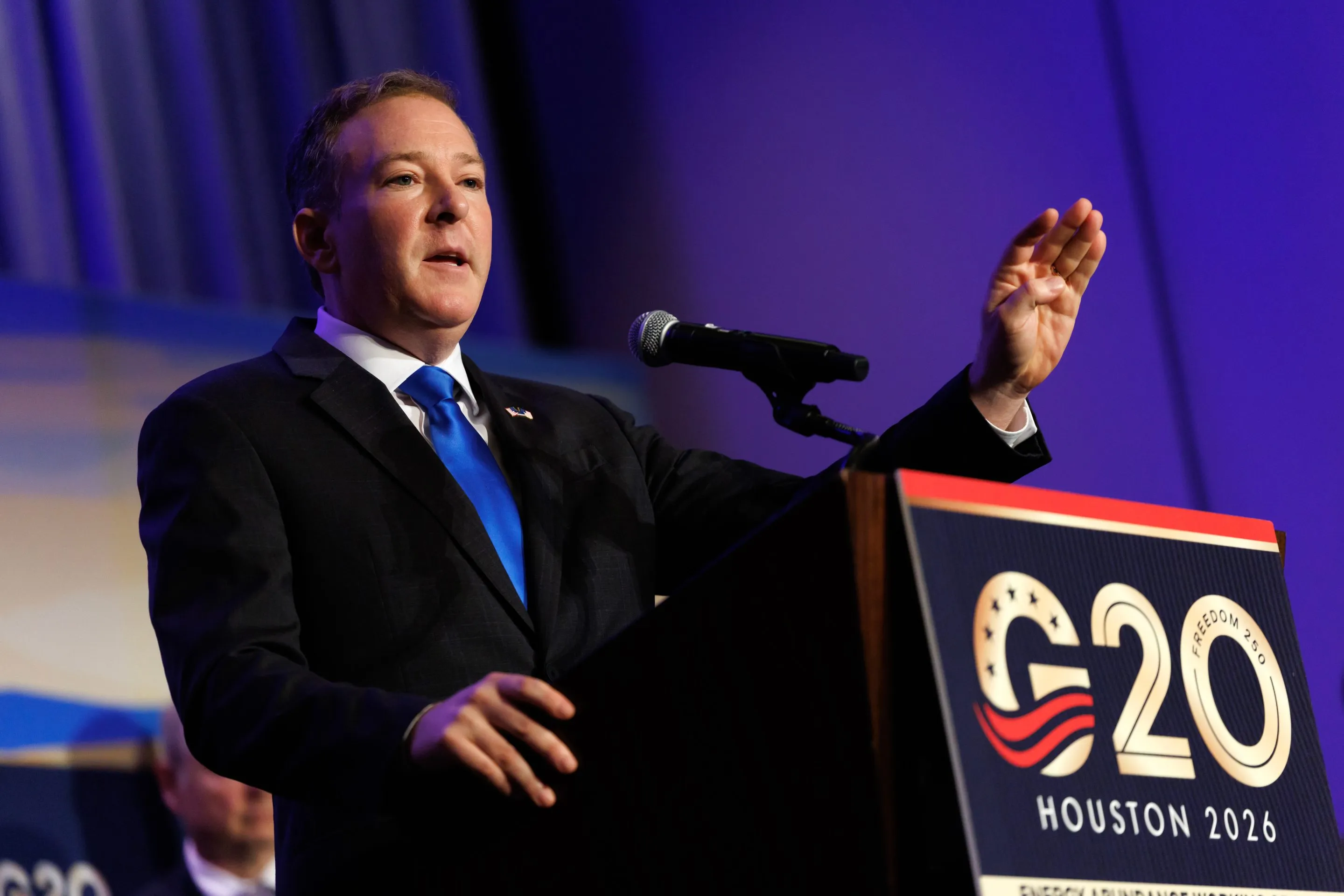
EPA Administrator Lee Zelдин stated that this is "the largest deregulation action in the history of the power industry," and indicated that the government also plans to eliminate the remaining greenhouse gas emission standards for power plants.
AI Electricity demand increases short-term power supply pressure
Several interviewees believe that policy changes will extend the operating time of some coal-fired and gas-fired power plants. The reason is that the expansion of data centers in the United States and the AI competition are continuing to progress, but many new power projects are still in the planning stage, and it is also difficult for approval reforms at the congressional level to be implemented this year.
The Managing Director of the Sustainable Development Advisory Firm Opportune, Dan Romito, stated that electricity does not “appear out of nowhere.” Before alternative power sources become sufficiently scaled, maintaining the operation of existing fossil fuel-powered units is a realistic choice to meet current demands and ensure the stability of electricity prices and supply.
He believes that such arrangements are more like a transitional measure, which may last for three to five years, in order to gain time for cleaner power sources such as geothermal energy and the next generation of nuclear power to be integrated into the grid. According to this assessment, extending the lifespan of older power units is not aimed at meeting all future demands, but rather at filling the current power supply gap.
Environmental groups criticize the impact on climate governance
Environmental organizations have strongly criticized this decision, arguing that relaxing restrictions will lead to more pollution, additional medical expenses, and weaken the foundation of climate governance in the United States. Reports mention that fossil fuel power plants account for nearly a quarter of the total climate pollution in the United States, second only to the transportation sector.
What is of greater concern is that the Trump administration has previously overturned the "hazard determination" made by the Environmental Protection Agency in 2009, which concluded that greenhouse gases such as carbon dioxide pose a threat to public health, and also revoked regulations related to motor vehicle emissions. This adjustment regarding power plants is seen as a continuation of the same approach.
Legal disputes surrounding this policy are expected to arise soon. The Trump administration believes that the Clean Air Act does not explicitly mention climate change, therefore the Environmental Protection Agency (EPA) should not regulate related emissions based on that; opponents argue that this will weaken the federal government's ability to regulate high-emission industries.
In the short term, policy changes help to increase the certainty of power supply for large technology companies and data center developers. In the long term, the structure of the US power industry, emission regulation authorities, and the energy costs associated with the expansion of AI will continue to be focal points of debate.