The hawkish signals from the Bank of Japan are clearly intensifying: potential inflation has basically reached the 2% target, and hawkish members are even proposing to raise interest rates directly to 1.5%. At the same time, the central bank will increase its asset reduction scale by ETF trillion yen next year, further withdrawing from its ultra-loose policy, which has raised market expectations for a rate hike in December.
The Bank of Japan maintained its interest rates unchanged, but declared a phased victory in its nearly 14-year battle against deflation. It also issued a warning about the risk of rising inflation, and the market generally expects that the next interest rate hike will likely occur as soon as December.
On Friday, after its monetary policy meeting, the Bank of Japan announced that it would maintain the policy interest rate at 1.25% unchanged. Governor Haruhiko Kuroda stated in a subsequent press conference that the potential CPI inflation rate is basically in line with the 2% price stability target and is expected to remain around this level. However, the central bank will continue to raise the policy interest rate in a timely manner according to changes in economic activity, prices, and financial conditions. Haruhiko Kuroda said:
"Hope to appropriately adjust interest rates to a neutral level."
At this meeting, an unexpected move was also announced: the Bank of Japan stated that it would accelerate the sale of exchange-traded funds (ETFs) starting from January next year, increasing the annual scale significantly from the current 330 billion yen to 860 billion yen (approximately 5.45 billion US dollars), marking a further withdrawal from the ultra-loose policy framework by the central bank. This development has prompted the market to re-evaluate Japan's interest rate trajectory, and expectations for another interest rate hike within the year have risen.
Maintains interest rates unchanged, but the hawkish stance becomes increasingly clear
The Bank of Japan stated in its meeting statement that potential inflation has largely reached the 2% target, and the central bank's policy focus is now shifting to anchoring inflation at this level. Kuroda Haruhiko emphasized at the press conference:
"The financial situation remains loose, and there are various upside risks. We must remain vigilant against the risk of inflation exceeding targets."
In this decision to remain inactive for the time being, there were rare internal dissentions. The hawkish member Hajime Takata voted against the decision to maintain interest rates, advocating for an increase in the policy rate to 1.5%, but the proposal was not passed by a majority. Shida Kazunobu explained that the committee needed more time to assess the impact of previous rate hikes on lending conditions, as well as the potential risks to the economy and prices.
Iwata Kazunobu also stated that the central bank does not intend to officially announce the achievement of its price target at a specific point in time, as it is crucial to maintain inflation stably and sustainably around 2%. The decision to officially declare the end of deflation rests with the Japanese government.
Inflation mechanism changes, wage growth becomes a key variable
The Bank of Japan's quarterly outlook report indicates that potential inflation has risen to a level "basically in line with the price target," and all members of the central bank have reached a consensus on this judgment. Haruo Ueda stated that the wage growth mechanism driving inflation has been restored, and medium- to long-term inflation expectations are stable around 2%.
However, he also pointed out that whether wage increases can become the norm in the future remains a core issue that the central bank needs to continuously assess. He stated that the central bank will closely monitor whether medium- and long-term inflation expectations remain stable around 2%, and will use various data to determine whether trend inflation has truly stabilized. "We cannot tolerate any further rise in potential inflation; more than ever, it is essential to ensure that potential inflation does not exceed the 2% target," said Kazunobu Ueda.
Iwata Kazunobu also stated that the government's various economic stimulus measures, along with the continuously loose monetary environment, are expected to strongly support the economy in achieving a 2% inflation target.
In line with the positions of central banks in Europe and the United States, the interest rate hike cycle continues to advance.
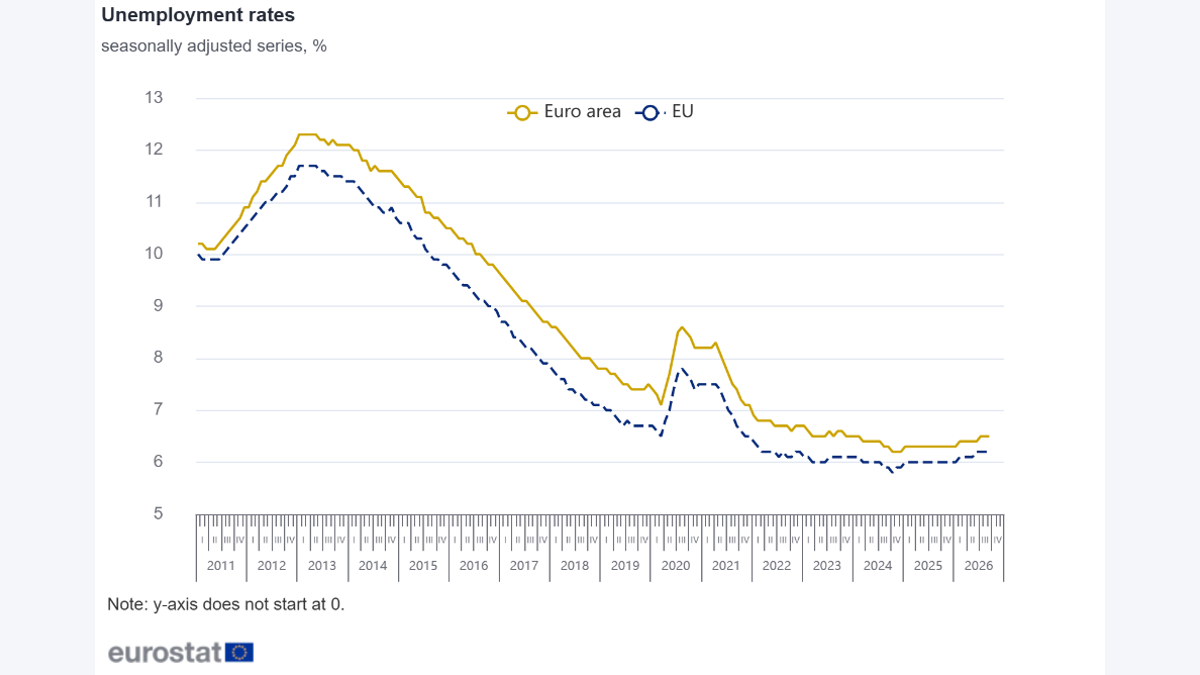
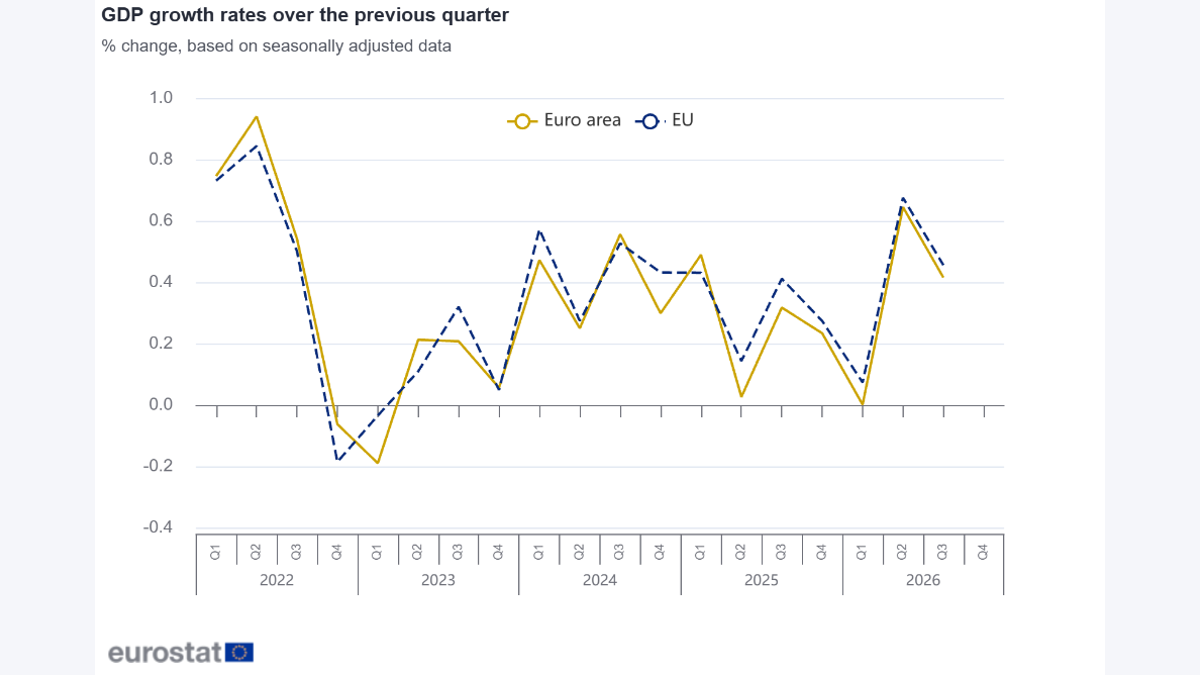
The overall shift in the policy stance of the Bank of Japan this time is gradually aligning with that of the Federal Reserve and the European Central Bank – both central banks are facing inflationary pressures caused by the AI craze and the energy shocks resulting from the conflict with Iran, and are considering further interest rate hikes in the near future.
Iwata Kazunobu stated that the central bank will prudently consider the timing and pace of monetary policy adjustments based on the likelihood of achieving the baseline scenario of economic projections and related risks, and will conduct in-depth analyses of the economic and price situations at each policy meeting. He emphasized that the central bank's goal is to proactively guide inflation rates to stabilize around 2%, "rather than passively waiting."
In regards to the ETF reduction arrangements, the Bank of Japan's announcement of accelerating its selling pace was interpreted by the market as exceeding expectations, further confirming its intention to withdraw from its loose monetary policy. Coupled with the dissenting votes from hawkish members and the clear statement that inflation has already reached the target, market expectations for a rate hike in December have risen.