Two regional Federal Reserve chairmen stated on Friday that interest rates need to be raised further in order to curb inflation.
Federal Reserve Chairman of St. Louis, Alberto Musalem ( Alberto Musalem ), stated that another round of interest rate hikes is likely to occur soon. Federal Reserve Chairman of Dallas, Lori Logan ( Lorie Logan ), on the other hand, predicts that central banks will need to raise rates by another two times, each time by 25 basis points.
The statements of these two officials provided initial clues as to the next steps for the Federal Reserve leadership after they decided on Wednesday to maintain interest rates unchanged for the time being. The aforementioned remarks may reinforce investors' belief that the Federal Open Market Committee (FOMC) will resume raising interest rates at its next meeting in December.
According to CME Group's ( CME ) FedWatch tool, federal funds futures traders are currently betting that the probability of the Federal Reserve raising interest rates by 25 basis points at that meeting is about 76%.
In a speech prepared for the New York Shadow Open Market Committee ( Shadow Open Market Committee ), Musalem said, "I judge that further tightening of monetary policy will be necessary, and it will be needed quite soon." This committee is a gathering of economists focused on central bank policies.
Musalem said, "Taking gradual adjustments earlier usually causes less disruption than taking larger, more sudden actions later on." He also stated, "With inflation expectations still anchored, acting earlier with smaller steps is more likely to be successful and will not have an adverse effect on the labor market or economic growth."
About an hour later, Logan stated: "Based on the current outlook, I still firmly believe that FOMC needs to implement at least two more interest rate hikes of 25 basis points each."
However, she also stated that this does not mean that the Federal Reserve must raise interest rates at every meeting.
Logan, based on her prepared speech, said to the students at Davidson College in North Carolina: "Skipping a meeting once will not change the destination of monetary policy. In fact, by making the objectives clear, FOMC can better help the economy adapt and achieve the benefits promised by skipping a meeting."
Logan said that after what is expected to be two interest rate hikes, "in my opinion, it is reasonable to pause and assess the economic and financial developments to determine whether further action is needed."
Logan will be one of the voting members for the Federal Reserve's interest rate decision in December; Musalem, on the other hand, is not expected to become a voting member of the committee until 2028.
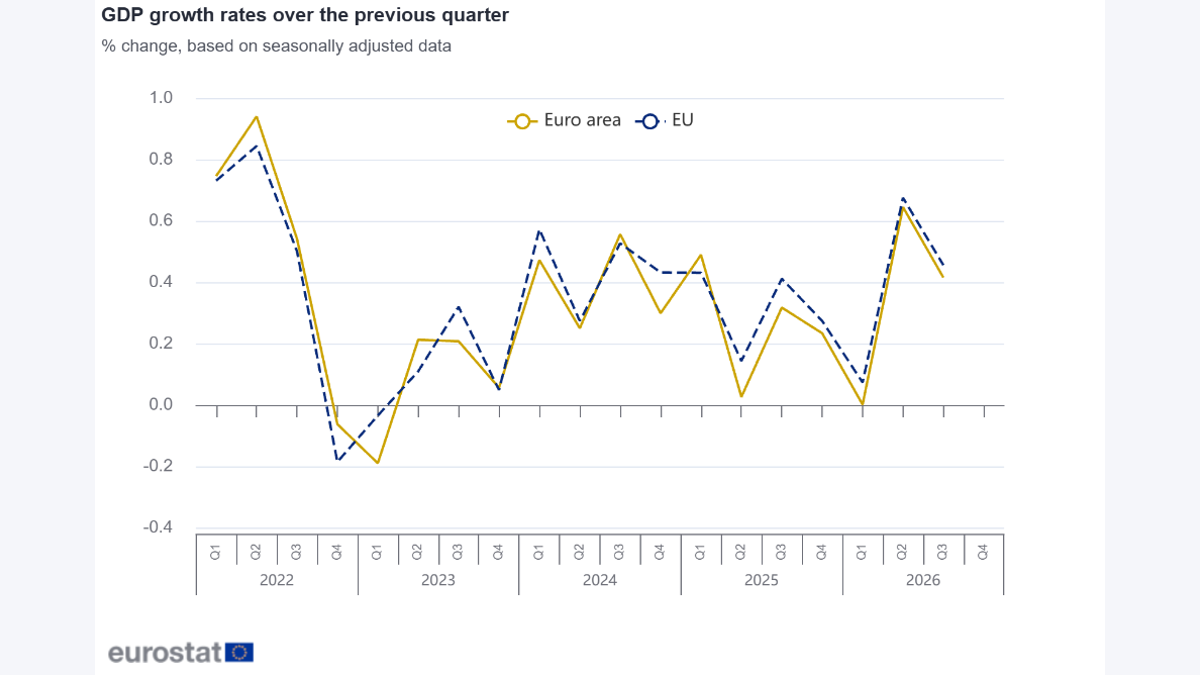
In his speech, Musalem generally held a positive view of the U.S. economic situation, describing it as "resilient." He mentioned the U.S. GDP data released on Thursday, which showed that the economic growth rate reached 3.4%, higher than expectations.
He stated that there are multiple factors driving the economy, including the development of artificial intelligence and a "still loose" financial environment.
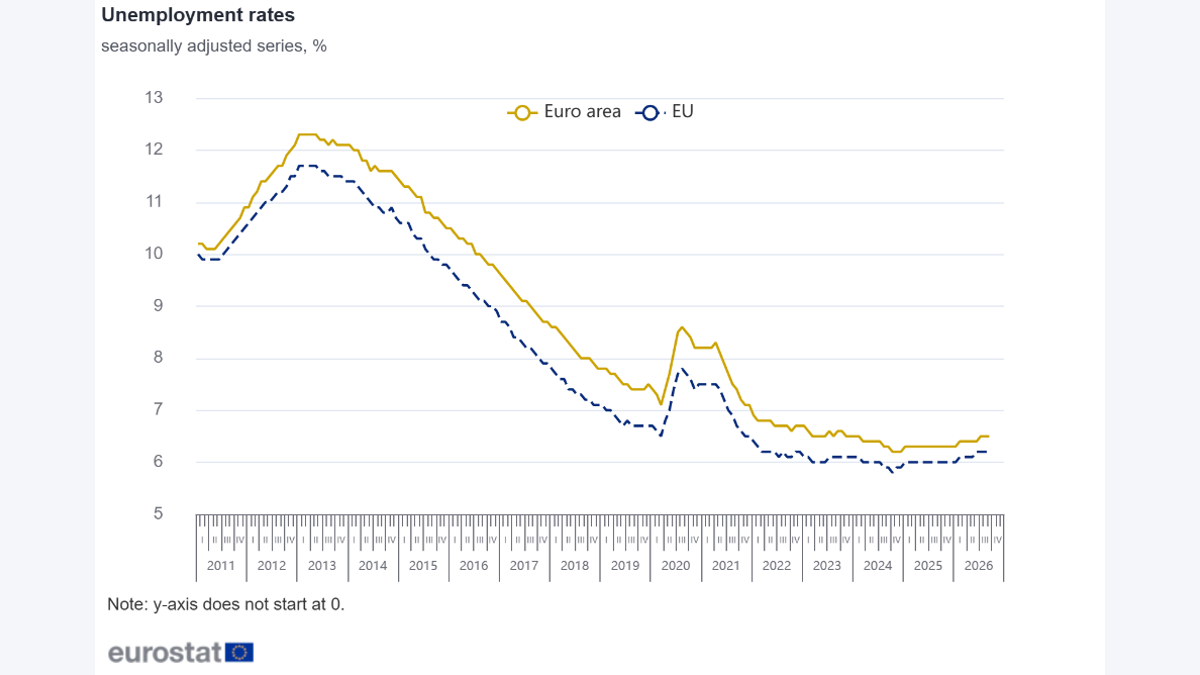
Musalem said that the labor market is “exceptionally stable and balanced.” He noted that the unemployment rate of 4.2% is at the medium level of the long-term forecasts for FOMC participants. Musalem is not a voter in FOMC this year and is not expected to gain voting rights until 2028.
However, Musalem warned that inflation is “too high,” citing the Personal Consumption Expenditure ( PCE ) price index released on Thursday, which indicated an annual inflation rate of over 3%. During the Q&A session, Musalem stated that he is closely monitoring core inflation and is wary of whether current inflationary pressures will spread.
Federal Reserve officials have been closely monitoring inflation expectations of consumers and investors to ensure that they do not far exceed the central bank's long-term target of 2%.
He stated that if the Federal Reserve does not adjust its monetary policy, inflation is likely to remain above 2% in the future.
Musalem said, "The best thing monetary policy can do for employment and economic growth right now is to restore price stability in a timely manner." He also stated, "If central banks take action before inflation becomes entrenched and is expected to persist, the short-term economic costs of reducing inflation would be even lower."
If the interest rate hike in December comes to fruition, it will be the second time in 2026 that rates have been raised. Previously, FOMC decided to raise rates by 25 basis points in September. This would also mark the first time since 2023 that the Federal Reserve has increased borrowing costs.