





Indian consumer regulatory authorities are escalating their investigation into Apple's practices regarding warranties in iPhone. The focus of the investigation is on a type of complaint: some users claim that after installing the official update iOS 18, their phones experienced issues with the screen or microphone, yet Apple requires users to bear the repair costs themselves.
Investigation focuses on post-update failures
The Central Consumer Protection Agency of India has advanced the investigation to a higher level. According to the complaints, some iPhone devices have exhibited abnormal displays such as green, pink, or white lines after the upgrade, and some users have also reported issues with components like microphones.
The core issue that regulatory authorities are concerned about is whether the repair costs should be borne by consumers if the malfunction is indeed caused by a software update released by Apple.
Apple denies the existence of systemic issues
Apple denies the allegations, stating that it has not found any systemic issues with iOS 18 in India, and asserts that its current warranty practices are in line with industry standards. Apple's position is that the occurrence of faults after the update does not necessarily prove that the faults were caused by the update.
This has also become a key point of contention in the investigation. Regulatory authorities need to determine whether there is a verifiable causal relationship between software updates and hardware failures.
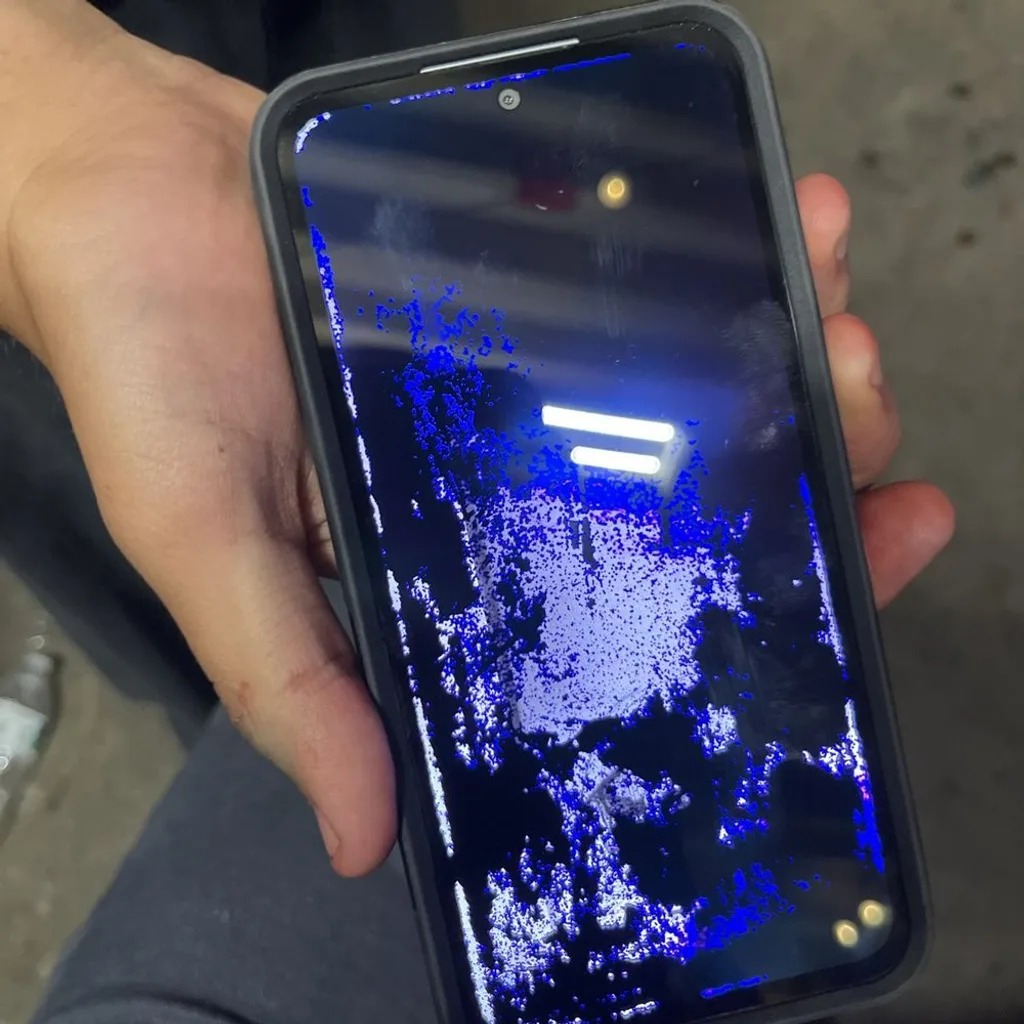
Maintenance costs have become a focal point of dispute.
The report mentions that in India, the cost of replacing one iPhone 15 screen is approximately 27,900 Indian rupees, which is about 291 US dollars, exceeding one-third of the retail price of the device. For consumers, such maintenance expenses are not low.
Currently, in most cases, Apple can still distinguish between hardware and software responsibilities based on the limited warranty terms. Usually, hardware warranty and software terms apply separately, but if regulatory authorities determine that an official Apple update directly causes hardware damage, the existing terms may face challenges.
India's market position is rising.
This controversy occurs as Apple accelerates its expansion into the Indian market. India is no longer a marginal market for iPhone; Apple is now considering it as an important area for growth.
In this context, the controversy surrounding high maintenance costs becomes even more sensitive. The market originally expected Apple's new devices and AI features to drive a new round of device replacement demand, and as a result, software stability and after-sales trust have received even more attention.
Currently, Apple claims that the investigation stemmed from 75 complaints, but Indian regulatory authorities are assessing whether this issue has affected a broader group of consumers.