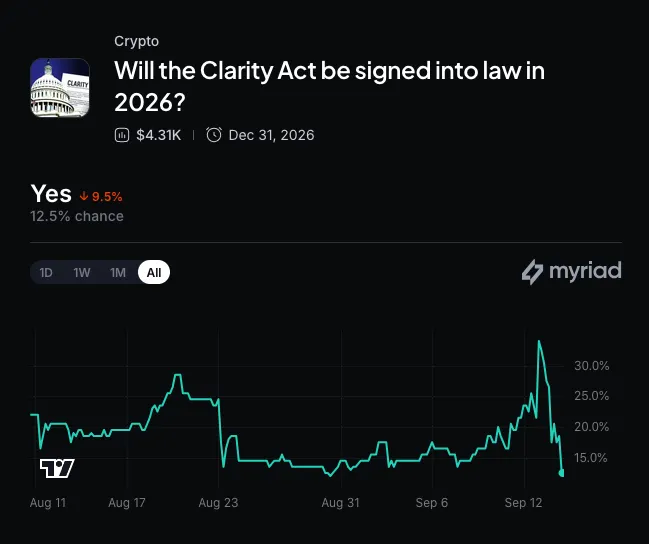





The U.S. Senate failed to gather the required 60 votes to advance the Digital Asset Markets Clearing Act, and this multi-year legislative effort to reform the crypto market structure has encountered a setback in a key procedural vote. For the industry, a unified framework at the congressional level is still unlikely to be implemented in the short term, so the focus of the market will once again shift to federal regulatory agencies.
The Senate procedural vote did not pass.
This vote was originally a crucial step before the bill entered the formal approval process, but ultimately, the number of supporting votes was insufficient. Negotiations between the two parties regarding this bill have lasted for several months, with the negotiated text exceeding 600 pages, yet differences remain on a few key provisions.
One of the points of contention is the ethical restrictions regarding the relationship between senior government officials and the crypto industry. As the mid-term elections approach, negotiations over the bill have become increasingly influenced by partisan politics, and ultimately, it failed to gain sufficient cross-party support.
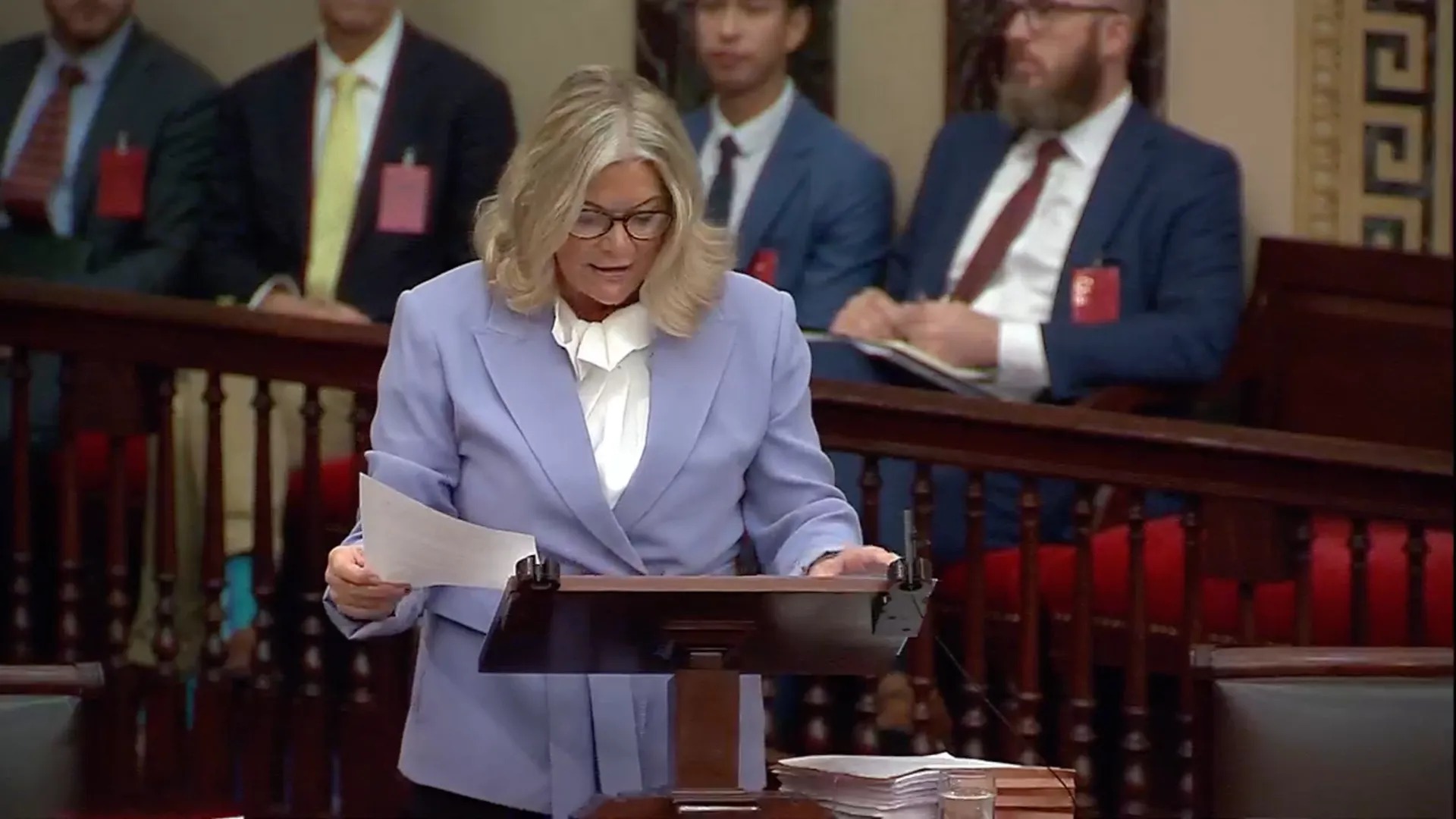
Republican Senator Cynthia Lummis made a final appeal before the vote, but was unable to persuade more members to switch their support. This defeat has once again put off a core legislative goal that the industry has been pushing for over the years.
The industry's focus has shifted towards SEC and CFTC.
In the absence of a market structure framework, the industry will now pay more attention to the regulatory actions of the U.S. Securities and Exchange Commission (SEC) and the Commodity Futures Trading Commission (CFTC). Both agencies have begun to advance rules related to cryptocurrencies, and the industry hopes that these measures will at least provide a certain degree of regulatory clarity.
Recently, SEC proposed its first significant cryptocurrency regulation proposal, " Reg Crypto ", with the aim of providing a clearer path for financing and launching cryptocurrency projects, thereby reducing the pressure of complex registration requirements they face from the outset. This institution is also advancing approval arrangements for a narrower range of securities tokenization, which may affect the way securities transactions are conducted in the United States.
However, even Chairman SEC and Paul Atkins admit that without the support of congressional legislation, the stability of regulatory rules remains limited. Some policies currently exist mainly in the form of guidelines and may be adjusted or revoked in the future.
Next step or to be left for the new session of Congress
The core objective of the bill is to clarify how different types of crypto assets and blockchain projects should be regulated, and to assign clearer regulatory responsibilities to CFTC for the crypto spot market. Now that the bill has encountered obstacles, it is very likely that related issues will be deferred to the next session of Congress for further consideration.
The article mentions that the current Congress will conclude its term at the end of the year, and a new Congress will take office in January next year. If the Democratic Party regains the majority in either the House of Representatives or the Senate, the pace of future crypto legislation may slow down further. At that time, Congress may also devote more attention to investigating the relationship between the Trump administration and the crypto industry.

In contrast, progress has already been made in the legislation regarding stablecoins. In 2025, the United States' GENIUS Act gained support from both parties and became law, and regulatory frameworks for stablecoin issuers are being implemented by regulatory authorities. This also means that, in the absence of a broader crypto market structure law, the establishment of rules in the stablecoin sector will proceed first.